Education
Mindcraft School
A pre-launch school with no physical presence, positioned as a credible, premium choice through communication alone.
Timeline :
Oct 2025 – Apr 2026
Industry :
Education
Project Duration :
6 months
0M+
0M+
views in 90 days
0%+
0%+
follower growth
0M+
0M+
views in 90 days
0%+
0%+
follower growth
0M+
0M+
views in 90 days
0%+
0%+
follower growth
Context :
Mindcraft School was in its pre-launch phase.
There was no campus, no classrooms, and no real student environment to show.
Yet the brand had to enter a highly competitive category where parents are making one of the most important decisions for their children.
Unlike most industries, this is not a casual or impulse-driven choice. Parents are not just evaluating infrastructure. They are evaluating trust, clarity, safety, and long-term belief in the institution.
Most schools rely on physical proof to build that trust. Campus visuals, student interactions, testimonials, and outcomes.
Mindcraft had none of these.
The challenge was not just visibility. It was building credibility in a space where the audience is naturally skeptical.
Problem :
The brand had no tangible proof.
No classrooms to show.
No students to feature.
No real footage to build familiarity or trust.
At the same time, the audience was highly critical and emotionally invested.
Parents do not engage passively with school content. They look for reassurance, clarity, and confidence before even considering taking the next step.
Without strong communication, the brand risked being ignored, dismissed, or seen as incomplete.
The real problem was not the absence of infrastructure.
It was the absence of trust in a high-stakes decision environment.
Insight :
Parents do not choose schools based only on what they see.
They choose based on what they understand and believe.
They are trying to answer questions like:
Will my child be comfortable here?
Will they be understood?
Will they actually learn, or just perform?
Is this a place I can trust long term?
Most schools attempt to answer this through outcomes or visuals.
Very few communicate how they think.
That became the opportunity.
If the communication could clearly express how the school approaches learning and child development, it could replace the need for physical proof.
Solution :
The approach was not to compensate for what didn’t exist.
It was to remove the dependency on it.
Instead of building communication around infrastructure, the focus shifted to clarity of thinking.
This was executed through three structured systems.
1. Content built around real parent decision-making
Instead of generic school content, the communication was designed around actual parent concerns and decision triggers.
We identified key questions parents ask when evaluating schools and turned them into repeatable content formats.
This included:
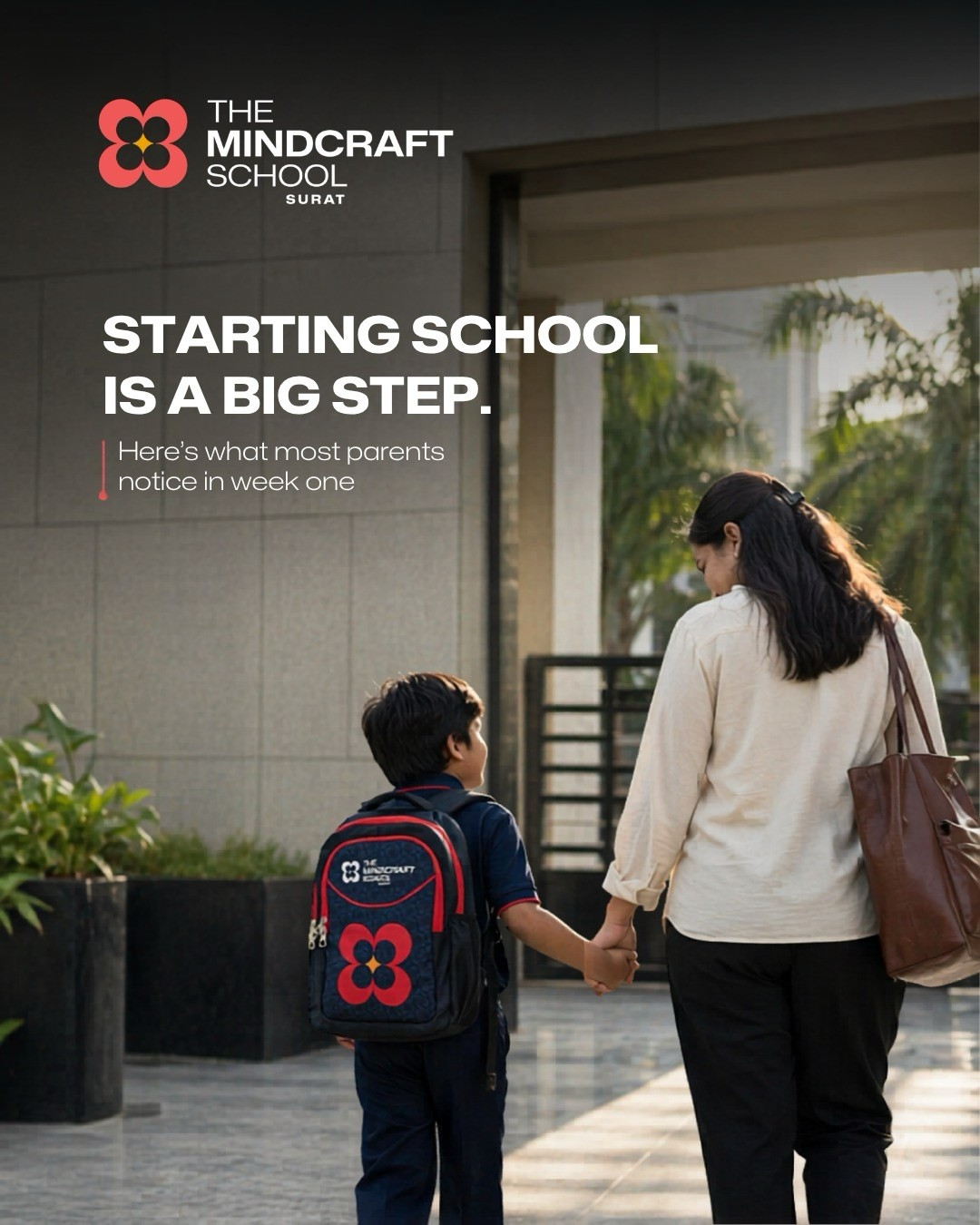
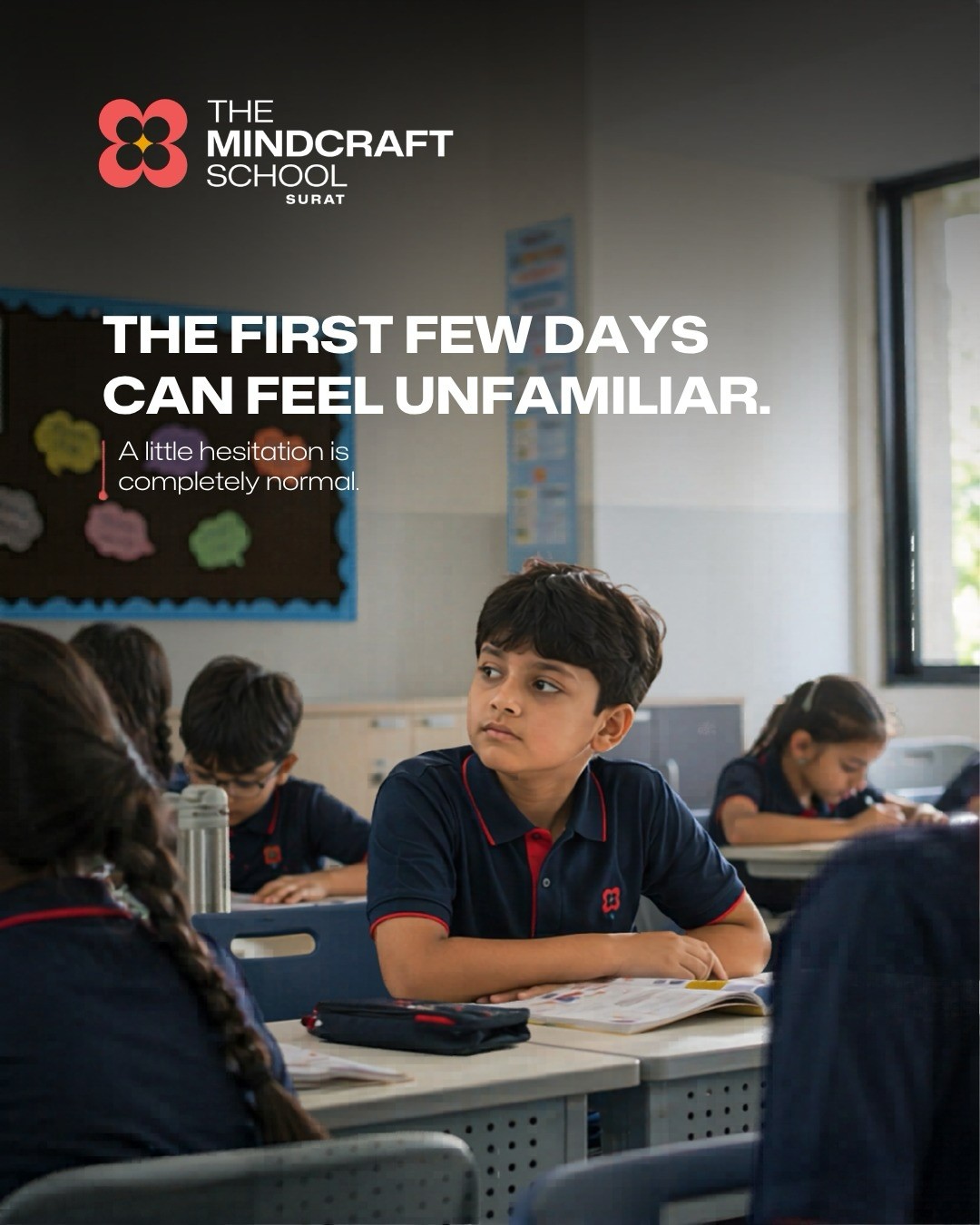
Posts addressing first-day anxiety and emotional transitions
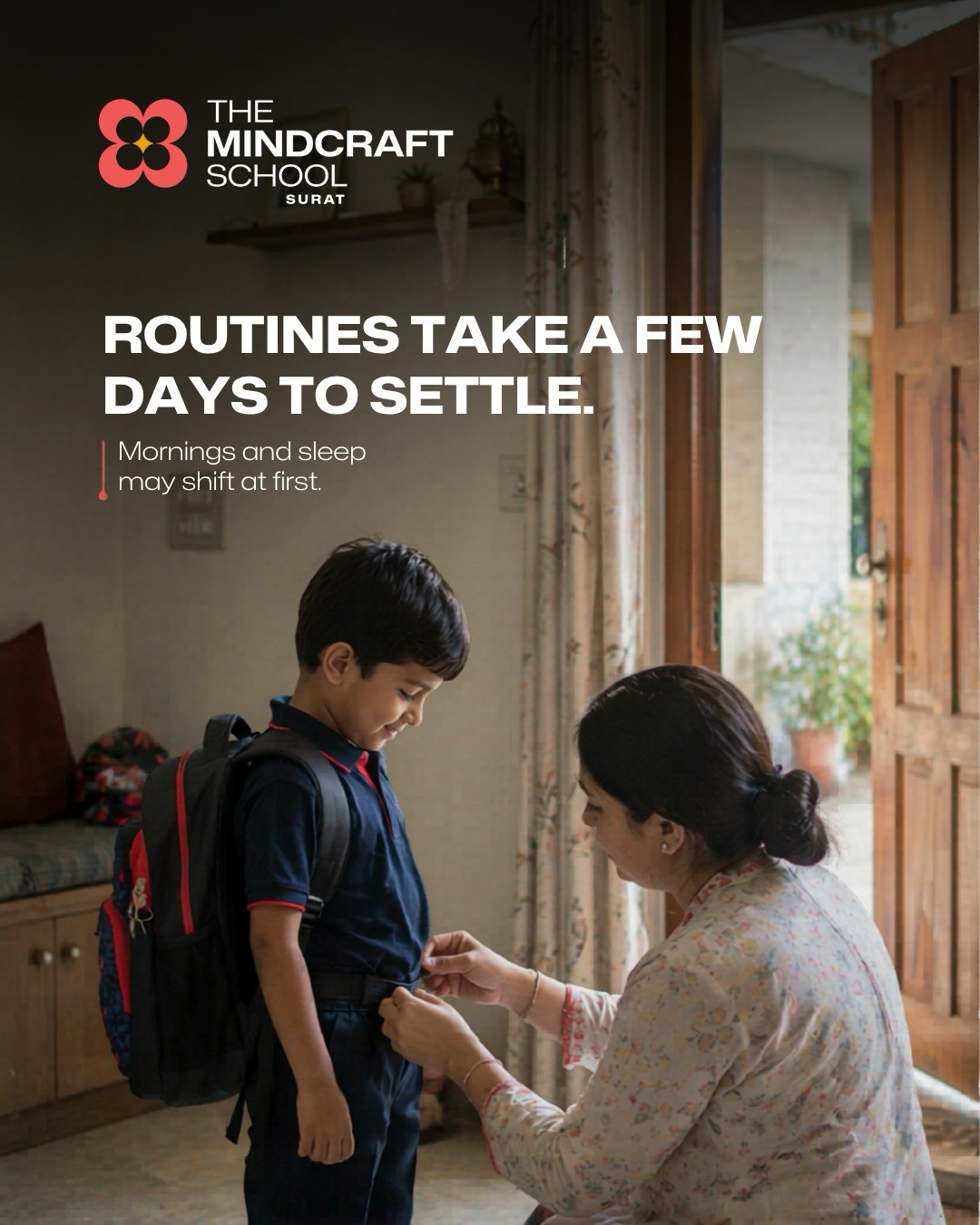
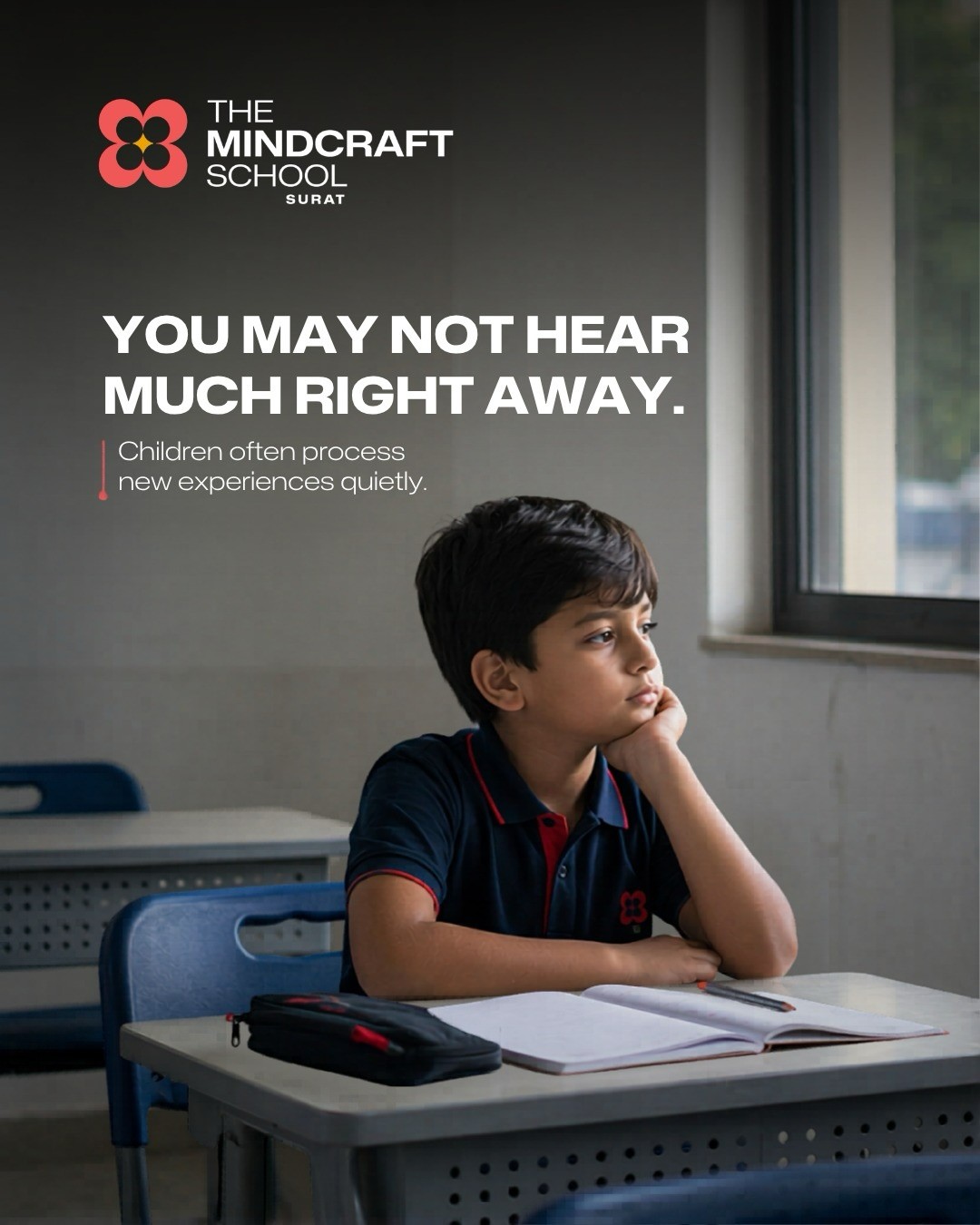
Breakdowns of how children adapt in the initial weeks
Content explaining teaching approaches in simple, clear language
Guidance-led posts that help parents evaluate schools more confidently
For example, content like:
“Starting school is a big step. Here’s what most parents notice in week one.”
This kind of communication does not try to impress. It helps parents relate, reflect, and understand.
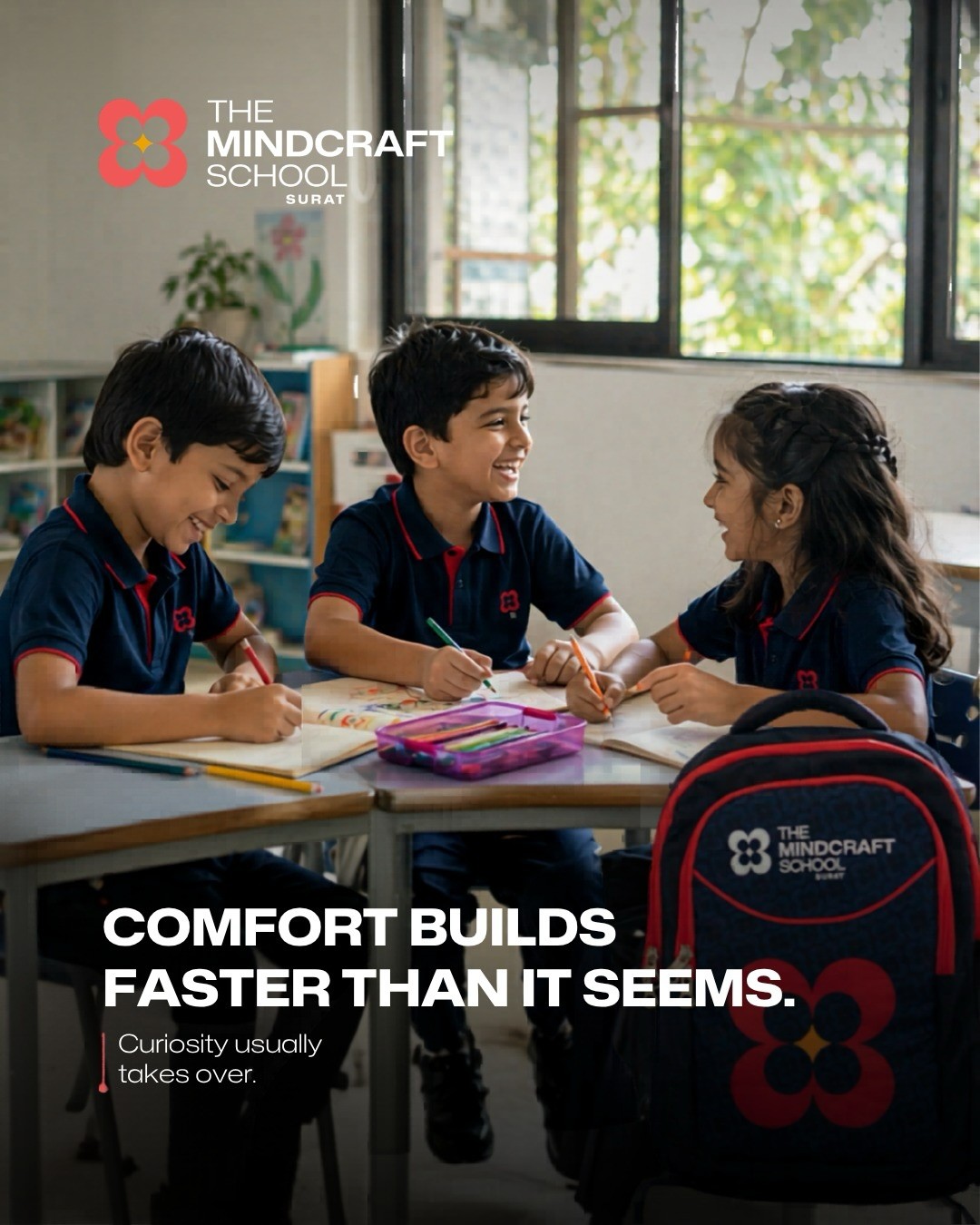

Translating intent into tangible visual experiences
Since there was no real-world environment to shoot, visuals were treated as a controlled system rather than standalone designs.
The goal was to make the school feel real without misrepresenting it.
This was done by designing specific experience moments:
Emotion-led scenarios showing real parent-child interactions
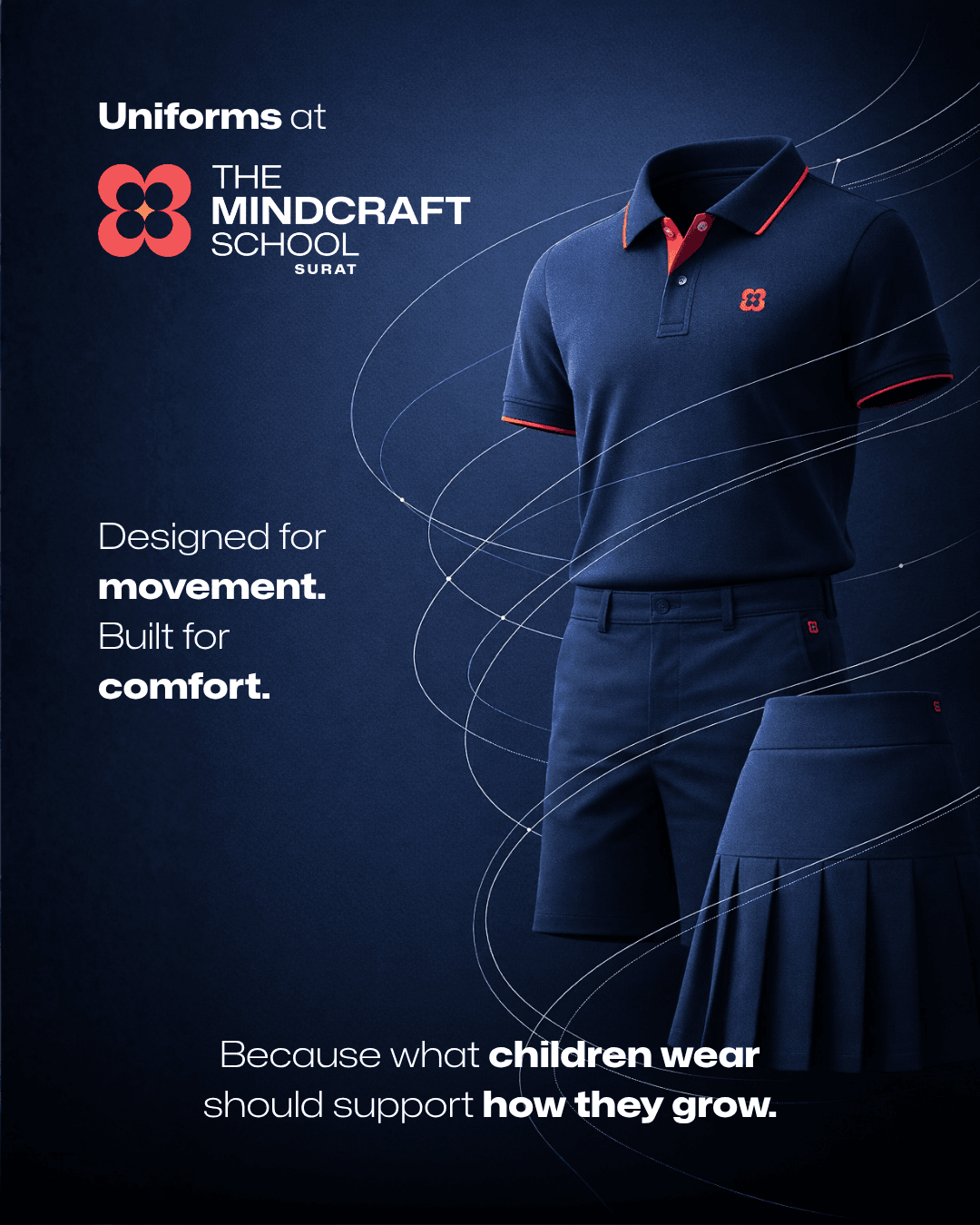
Tangible elements like uniforms to establish identity and readiness
Simulated touchpoints such as admission kits and welcome experiences
For example:
The uniform visual was not just a design element.
It introduced something concrete and repeatable, helping the school feel structured and real.
Similarly, admission-related visuals helped communicate that the process already exists, even before the physical space is ready.
All visuals were created with consistency in styling, lighting, and environment to avoid the artificial feel of generated content and maintain a premium, believable aesthetic.
The intent was not to fabricate reality, but to make the future experience understandable.

Deliberate shift in tonality to build trust
Most school communication relies on exaggerated claims and promotional language.
This was intentionally avoided.
The tone was kept:
calm
structured
clear
non-promotional
There were no “best school” statements or performance-heavy claims.
Instead, the communication focused on explaining decisions, simplifying ideas, and reducing uncertainty.
This made the brand feel thoughtful and credible rather than sales-driven.
Over time, the brand stopped feeling like something that was “coming soon” and started feeling like something that already exists.
Outcome :
In 90 days, the brand achieved over 3.5 million views and consistent audience growth of more than 45 percent.
More importantly, the nature of engagement changed.
Parents were not just consuming content.
They were responding with intent.
Enquiries, conversations, and admission-related interest started coming directly through the content.
The communication did not just build reach.
It built confidence.
By the time the physical space was ready, the brand already felt established in the audience’s mind.


Mindcraft did not wait for a campus to start building trust.
It built clarity first.
And in a category driven by belief, that was enough to make people choose it before they ever saw it.
More Projects



Education
Mindcraft School
A pre-launch school with no physical presence, positioned as a credible, premium choice through communication alone.
Timeline :
Oct 2025 – Apr 2026
Industry :
Education
Project Duration :
6 months
0M+
0M+
views in 90 days
0%+
0%+
follower growth
0M+
0M+
views in 90 days
0%+
0%+
follower growth
0M+
0M+
views in 90 days
0%+
0%+
follower growth
Context :
Mindcraft School was in its pre-launch phase.
There was no campus, no classrooms, and no real student environment to show.
Yet the brand had to enter a highly competitive category where parents are making one of the most important decisions for their children.
Unlike most industries, this is not a casual or impulse-driven choice. Parents are not just evaluating infrastructure. They are evaluating trust, clarity, safety, and long-term belief in the institution.
Most schools rely on physical proof to build that trust. Campus visuals, student interactions, testimonials, and outcomes.
Mindcraft had none of these.
The challenge was not just visibility. It was building credibility in a space where the audience is naturally skeptical.
Problem :
The brand had no tangible proof.
No classrooms to show.
No students to feature.
No real footage to build familiarity or trust.
At the same time, the audience was highly critical and emotionally invested.
Parents do not engage passively with school content. They look for reassurance, clarity, and confidence before even considering taking the next step.
Without strong communication, the brand risked being ignored, dismissed, or seen as incomplete.
The real problem was not the absence of infrastructure.
It was the absence of trust in a high-stakes decision environment.
Insight :
Parents do not choose schools based only on what they see.
They choose based on what they understand and believe.
They are trying to answer questions like:
Will my child be comfortable here?
Will they be understood?
Will they actually learn, or just perform?
Is this a place I can trust long term?
Most schools attempt to answer this through outcomes or visuals.
Very few communicate how they think.
That became the opportunity.
If the communication could clearly express how the school approaches learning and child development, it could replace the need for physical proof.
Solution :
The approach was not to compensate for what didn’t exist.
It was to remove the dependency on it.
Instead of building communication around infrastructure, the focus shifted to clarity of thinking.
This was executed through three structured systems.
1. Content built around real parent decision-making
Instead of generic school content, the communication was designed around actual parent concerns and decision triggers.
We identified key questions parents ask when evaluating schools and turned them into repeatable content formats.
This included:
Posts addressing first-day anxiety and emotional transitions
Breakdowns of how children adapt in the initial weeks
Content explaining teaching approaches in simple, clear language
Guidance-led posts that help parents evaluate schools more confidently
For example, content like:
“Starting school is a big step. Here’s what most parents notice in week one.”
This kind of communication does not try to impress. It helps parents relate, reflect, and understand.
Translating intent into tangible visual experiences
Since there was no real-world environment to shoot, visuals were treated as a controlled system rather than standalone designs.
The goal was to make the school feel real without misrepresenting it.
This was done by designing specific experience moments:
Emotion-led scenarios showing real parent-child interactions
Tangible elements like uniforms to establish identity and readiness
Simulated touchpoints such as admission kits and welcome experiences
For example:
The uniform visual was not just a design element.
It introduced something concrete and repeatable, helping the school feel structured and real.
Similarly, admission-related visuals helped communicate that the process already exists, even before the physical space is ready.
All visuals were created with consistency in styling, lighting, and environment to avoid the artificial feel of generated content and maintain a premium, believable aesthetic.
The intent was not to fabricate reality, but to make the future experience understandable.
Deliberate shift in tonality to build trust
Most school communication relies on exaggerated claims and promotional language.
This was intentionally avoided.
The tone was kept:
calm
structured
clear
non-promotional
There were no “best school” statements or performance-heavy claims.
Instead, the communication focused on explaining decisions, simplifying ideas, and reducing uncertainty.
This made the brand feel thoughtful and credible rather than sales-driven.
Over time, the brand stopped feeling like something that was “coming soon” and started feeling like something that already exists.
Outcome :
In 90 days, the brand achieved over 3.5 million views and consistent audience growth of more than 45 percent.
More importantly, the nature of engagement changed.
Parents were not just consuming content.
They were responding with intent.
Enquiries, conversations, and admission-related interest started coming directly through the content.
The communication did not just build reach.
It built confidence.
By the time the physical space was ready, the brand already felt established in the audience’s mind.
Mindcraft did not wait for a campus to start building trust.
It built clarity first.
And in a category driven by belief, that was enough to make people choose it before they ever saw it.
More Projects
Education
Mindcraft School
A pre-launch school with no physical presence, positioned as a credible, premium choice through communication alone.
Timeline :
Oct 2025 – Apr 2026
Industry :
Education
Project Duration :
6 months
0M+
0M+
views in 90 days
0%+
0%+
follower growth
0M+
0M+
views in 90 days
0%+
0%+
follower growth
0M+
0M+
views in 90 days
0%+
0%+
follower growth
Context :
Mindcraft School was in its pre-launch phase.
There was no campus, no classrooms, and no real student environment to show.
Yet the brand had to enter a highly competitive category where parents are making one of the most important decisions for their children.
Unlike most industries, this is not a casual or impulse-driven choice. Parents are not just evaluating infrastructure. They are evaluating trust, clarity, safety, and long-term belief in the institution.
Most schools rely on physical proof to build that trust. Campus visuals, student interactions, testimonials, and outcomes.
Mindcraft had none of these.
The challenge was not just visibility. It was building credibility in a space where the audience is naturally skeptical.
Problem :
The brand had no tangible proof.
No classrooms to show.
No students to feature.
No real footage to build familiarity or trust.
At the same time, the audience was highly critical and emotionally invested.
Parents do not engage passively with school content. They look for reassurance, clarity, and confidence before even considering taking the next step.
Without strong communication, the brand risked being ignored, dismissed, or seen as incomplete.
The real problem was not the absence of infrastructure.
It was the absence of trust in a high-stakes decision environment.
Insight :
Parents do not choose schools based only on what they see.
They choose based on what they understand and believe.
They are trying to answer questions like:
Will my child be comfortable here?
Will they be understood?
Will they actually learn, or just perform?
Is this a place I can trust long term?
Most schools attempt to answer this through outcomes or visuals.
Very few communicate how they think.
That became the opportunity.
If the communication could clearly express how the school approaches learning and child development, it could replace the need for physical proof.
Solution :
The approach was not to compensate for what didn’t exist.
It was to remove the dependency on it.
Instead of building communication around infrastructure, the focus shifted to clarity of thinking.
This was executed through three structured systems.
1. Content built around real parent decision-making
Instead of generic school content, the communication was designed around actual parent concerns and decision triggers.
We identified key questions parents ask when evaluating schools and turned them into repeatable content formats.
This included:
Posts addressing first-day anxiety and emotional transitions
Breakdowns of how children adapt in the initial weeks
Content explaining teaching approaches in simple, clear language
Guidance-led posts that help parents evaluate schools more confidently
For example, content like:
“Starting school is a big step. Here’s what most parents notice in week one.”
This kind of communication does not try to impress. It helps parents relate, reflect, and understand.
Translating intent into tangible visual experiences
Since there was no real-world environment to shoot, visuals were treated as a controlled system rather than standalone designs.
The goal was to make the school feel real without misrepresenting it.
This was done by designing specific experience moments:
Emotion-led scenarios showing real parent-child interactions
Tangible elements like uniforms to establish identity and readiness
Simulated touchpoints such as admission kits and welcome experiences
For example:
The uniform visual was not just a design element.
It introduced something concrete and repeatable, helping the school feel structured and real.
Similarly, admission-related visuals helped communicate that the process already exists, even before the physical space is ready.
All visuals were created with consistency in styling, lighting, and environment to avoid the artificial feel of generated content and maintain a premium, believable aesthetic.
The intent was not to fabricate reality, but to make the future experience understandable.
Deliberate shift in tonality to build trust
Most school communication relies on exaggerated claims and promotional language.
This was intentionally avoided.
The tone was kept:
calm
structured
clear
non-promotional
There were no “best school” statements or performance-heavy claims.
Instead, the communication focused on explaining decisions, simplifying ideas, and reducing uncertainty.
This made the brand feel thoughtful and credible rather than sales-driven.
Over time, the brand stopped feeling like something that was “coming soon” and started feeling like something that already exists.
Outcome :
In 90 days, the brand achieved over 3.5 million views and consistent audience growth of more than 45 percent.
More importantly, the nature of engagement changed.
Parents were not just consuming content.
They were responding with intent.
Enquiries, conversations, and admission-related interest started coming directly through the content.
The communication did not just build reach.
It built confidence.
By the time the physical space was ready, the brand already felt established in the audience’s mind.